
Our journey...
from Hawaiki to Te Tauihu
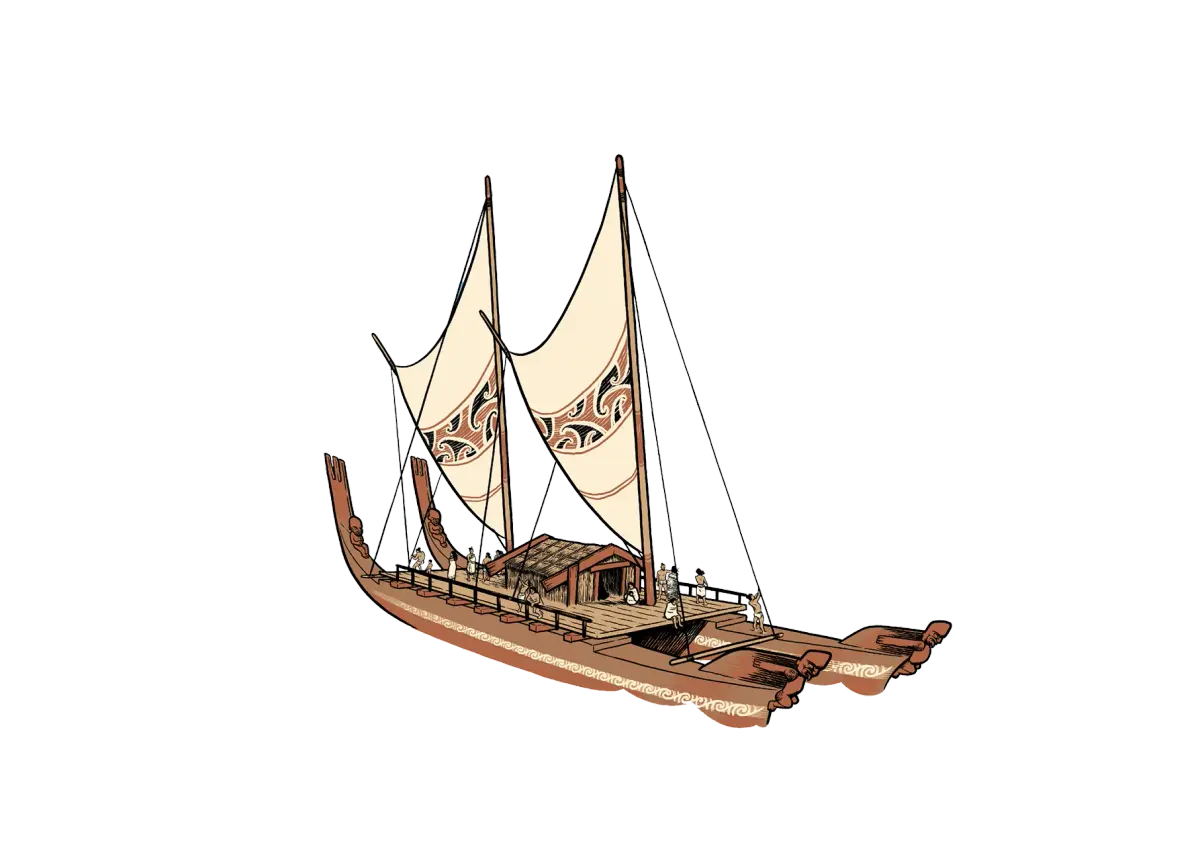
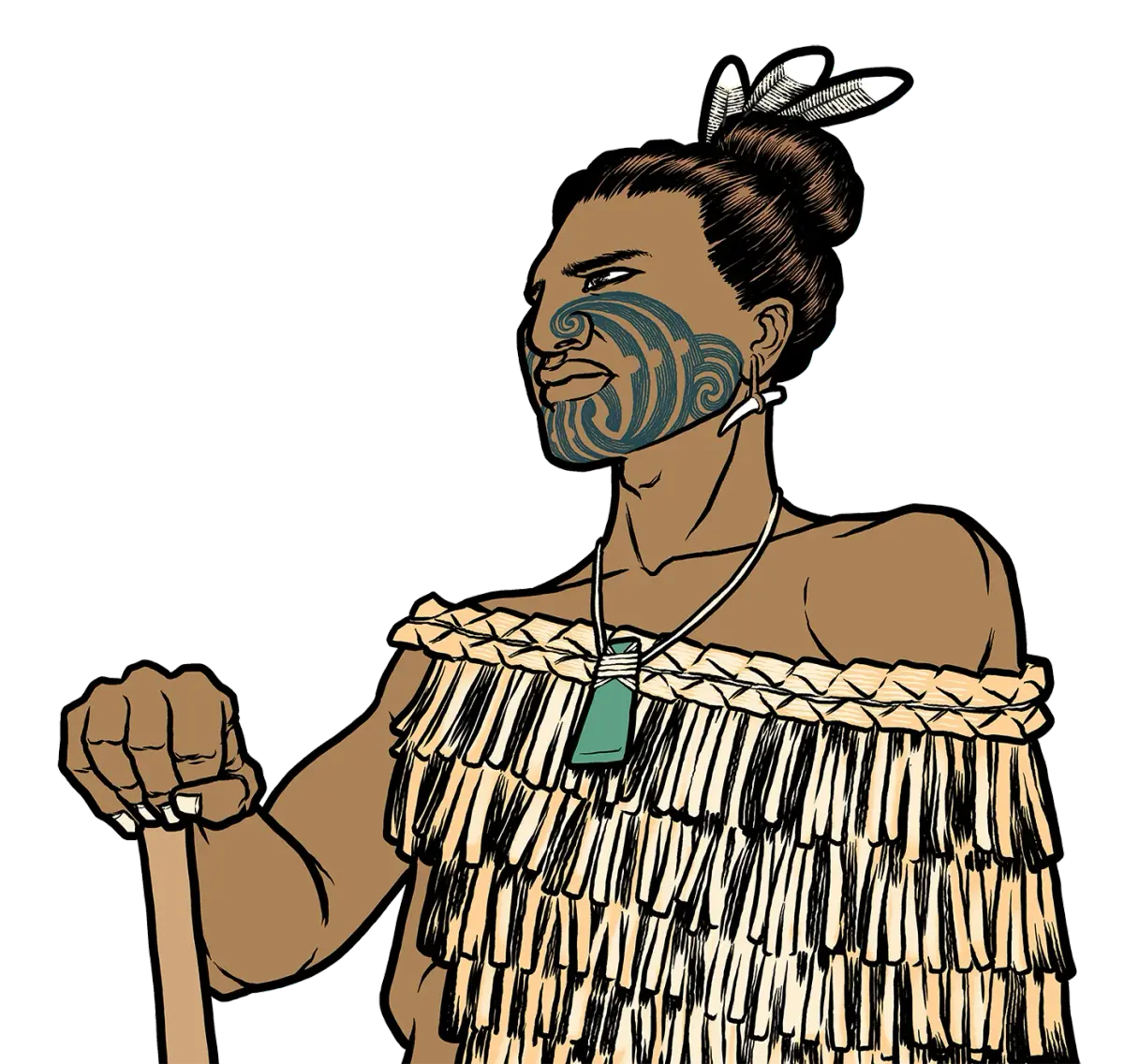
Ngāti Tama descend from the ancestral waka Tokomaru, one of the great voyaging canoes that journeyed from Hawaiki to Aotearoa. Our people take their name from Tamaariki, a revered rangatira and navigator of Tokomaru, whose legacy has been carried through generations. Alongside him stood the tohunga-navigator Rākeiora, whose karakia and knowledge of the stars, winds and currents guided Tokomaru safely across Te Moana-nui-a-Kiwa. The stories of Tamaariki, Rākeiora and the people of Tokomaru remain central to our whakapapa, identity and sense of belonging today.
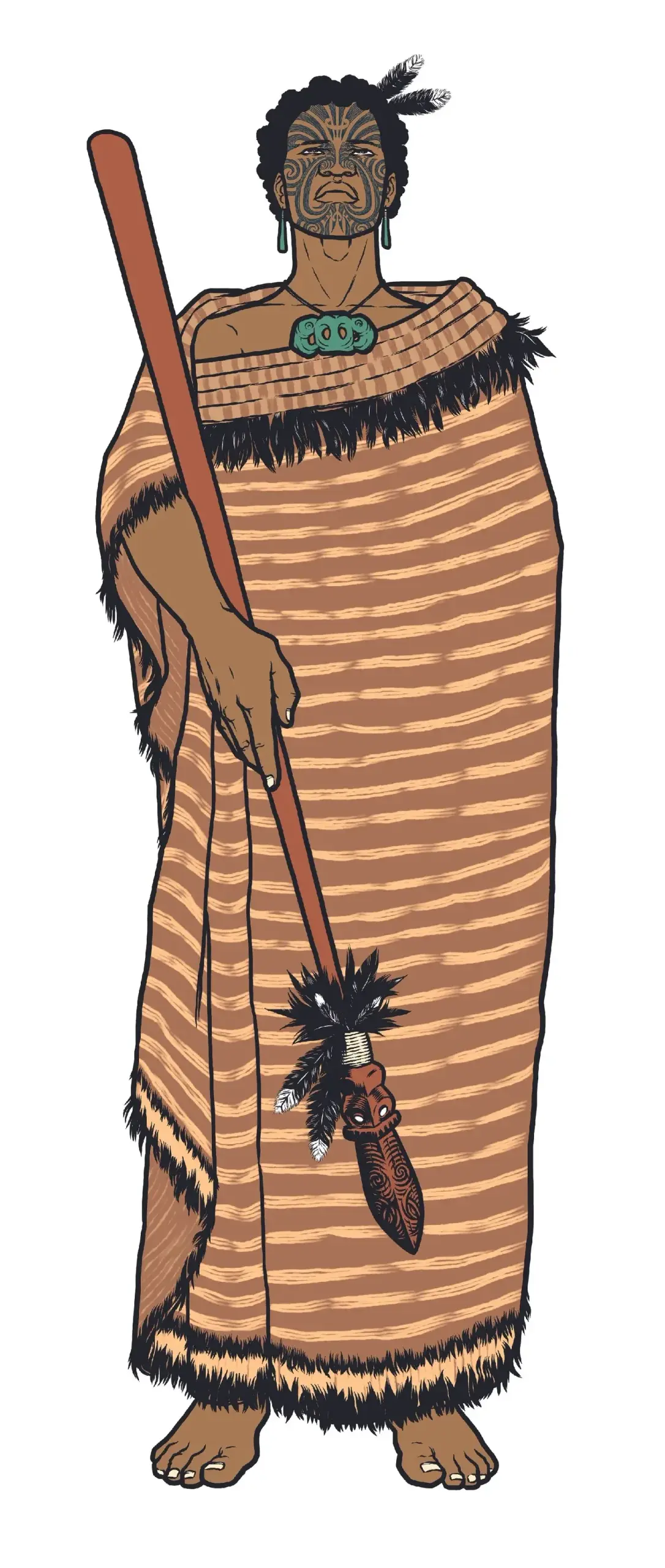
According to our traditions, conflict arose in Hawaiki involving the rangatira Manaia. Following a series of wrongs and acts of revenge, Manaia and his people departed Hawaiki aboard Tokomaru. Guided by Rākeiora and Tamaariki, the waka crossed the vast ocean and made landfall on the western coast of Te Ika-a-Māui, at Mohakatino and Tongapōrutu in northern Taranaki. There, the descendants of Tokomaru established themselves, building pā and kāinga and developing enduring relationships with neighbouring iwi through whakapapa, trade and shared histories.
Over many generations, Ngāti Tama flourished in northern Taranaki, particularly in the lands around Poutama, between Mohakatino and Parininihi. Our tūpuna maintained deep connections to the whenua and moana, drawing strength from mātauranga, tikanga, leadership and resilience. Ngāti Tama became known for courage, adaptability and strong alliances with related iwi, including Ngāti Mutunga, Te Ātiawa and other Taranaki and Tainui peoples.
In the late eighteenth and early nineteenth centuries, a period of profound change swept across Aotearoa as new alliances, trade relationships and the arrival of muskets reshaped the political landscape. Led by rangatira including Te Kaeaea and Te Pūoho ki te Rangi, large groups of Ngāti Tama migrated south from their Taranaki homelands, travelling alongside closely related iwi including Ngāti Mutunga and Te Ātiawa. These heke were journeys of hardship, strategy and opportunity, shaped by kinship, conflict, trade and the search for new lands and resources. Moving through Whanganui, Kāpiti and Te Whanganui-a-Tara, Ngāti Tama took part in significant battles and alliances that influenced the lower North Island before crossing Te Moana-o-Raukawakawa to Te Tauihu o Te Waka-a-Māui.
In Te Tauihu, Ngāti Tama established communities across Mohua, Motueka, Whakatū and the western reaches of the region, from Whangamoa in the east to Kahurangi in the west. Important pā and kāinga were established at Wakapuaka, Puketutu, Parapara, Wainui, Tukurua and other significant coastal and estuarine places. Here, our tūpuna drew upon the abundant resources of land and sea through fishing, cultivation, gathering and trade, while maintaining strong cultural and spiritual connections to both Te Tauihu and our ancestral homelands in Taranaki.
The taonga of Parapara and Wainui, the healing waters of Te Waikoropupū, the significance of Wakapuaka and the presence of our kaitiaki all speak to the depth of Ngāti Tama relationship with this whenua
Today, Ngāti Tama ki Te Tauihu continues to uphold this legacy, guided by the values, knowledge and traditions carried across Te Moana-nui-a-Kiwa aboard Tokomaru, nurtured through generations in Taranaki, and firmly rooted in Te Tauihu. As our people say: Tama tū ki Te Tauihu, Tama ora ki te ao.